

Someone recently asked me if a collaboration needs to sell out to be successful.
Good question. Wrong assumption.
I’ve been in this industry long enough to watch collaborations go from rare events to everyday occurrences. From building the Eastbay blog to Complex Sneakers to being employee #9 at StockX, I’ve seen how brands measure success... and it’s not always what sneakerheads think it is.
So let’s talk about what actually makes a collaboration successful, using some recent examples that illustrate why the “did it sell out?” question misses the bigger picture entirely.
The Short Answer
No. A shoe selling out is great for business in most cases, but it can actually be problematic if a collab reaches a broader audience that wasn’t into sneakers or wasn’t used to release practices.
Limited quantities don’t pay the bills. A sneaker brand’s bills are paid by average people buying average-priced sneakers and apparel at massive quantities. Collaborations serve a different purpose entirely... and understanding that purpose changes everything about how you evaluate their success.
This isn’t a new phenomenon, either. I’ve written before about how Under Armour’s failure with Stephen Curry shows what happens when a brand doesn’t understand the cultural side of the equation. You can have the greatest athlete in the world, but if you don’t understand how collaborations and cultural moments work together, you’re leaving billions on the table.
The Teyana Taylor Paradox: When Hype Cuts Both Ways
Let’s start with a perfect example of why “selling out” can be both good and complicated: Teyana Taylor’s upcoming Air Jordan collaboration.
She’s in her moment right now. On paper, this is perfect timing for a partnership. The cultural alignment is there. The audience overlap is there. Jordan Brand gets access to Teyana’s fanbase, many of whom might not be regular sneaker consumers.
This is where it gets interesting.
If this release gets massive attention from people who aren’t generally the regular sneaker consumer, and those people miss out... they may feel negatively toward Jordan Brand. That’s a real risk.
Teyana’s fanbase spans music, fashion, choreography, acting, and fitness. She’s got crossover appeal that most sneaker collaborators don’t. Her fans aren’t necessarily the people who know how SNKRS works, who understand bot culture, who’ve already been through the disappointment cycle of trying to get limited releases.
These are potentially first-time sneaker buyers who just want to support someone they admire. And when they strike out—not because they weren’t fast enough, but because they didn’t know the game—that’s a branding problem.
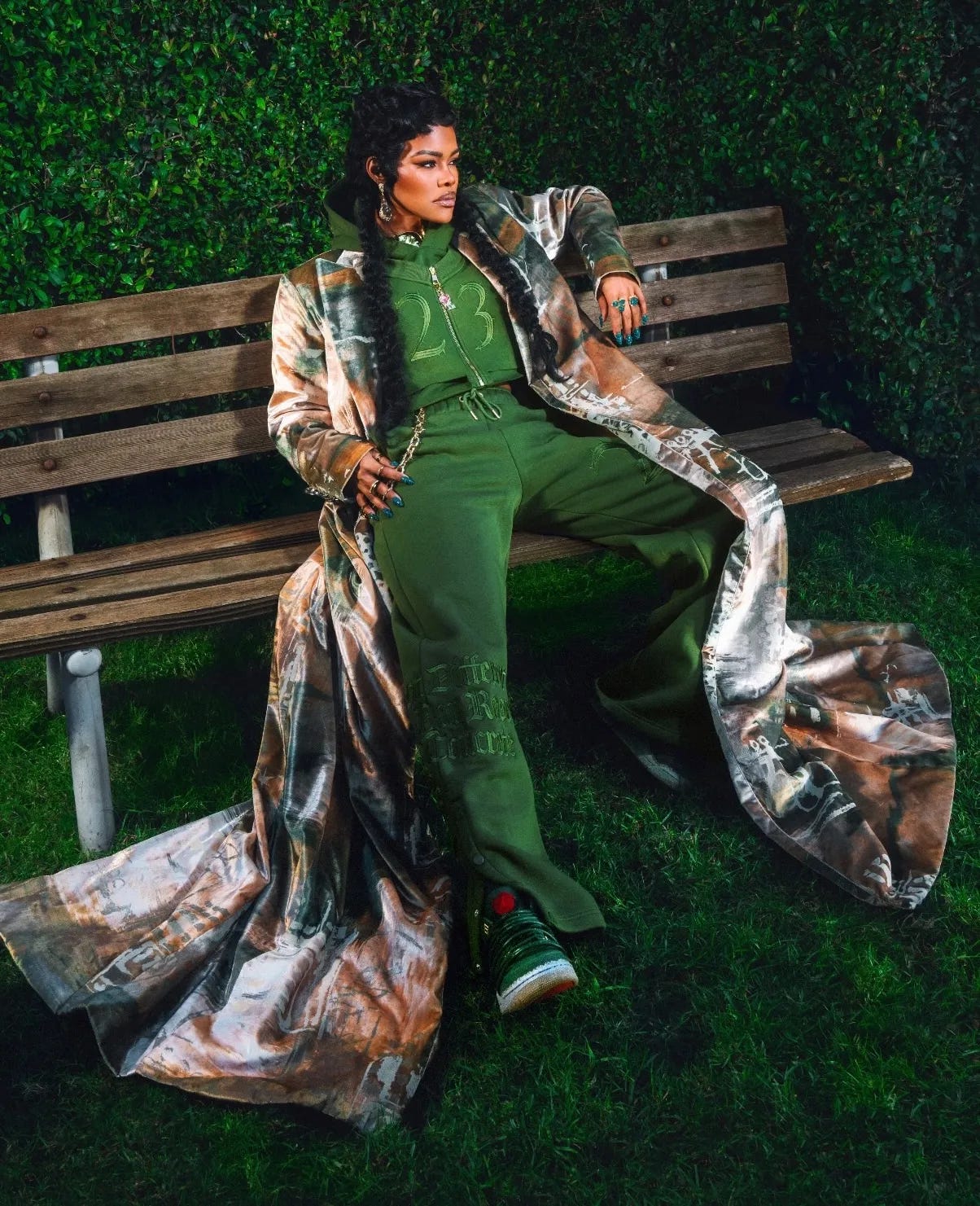
Now, if they miss out because everything sold out, that’s obviously good for business in the sense that inventory moved. And maybe that disappointment leads to a second collaboration, giving those customers another chance. That could mean those customers are now committed to playing the game of trying to get sneakers.
Suddenly they’re getting SNKRS app notifications. They’re receiving emails. They’re checking release calendars. They’re learning about raffles and early access and all the mechanisms that keep people engaged with the brand ecosystem. They could potentially make more money for Nike/Jordan beyond just this one collaboration.
But there’s also a scenario where they strike out, get frustrated with the system, and walk away with a bad taste... associating Jordan Brand with disappointment and artificial scarcity rather than aspiration.
That’s the paradox. A sellout can build long-term customers or create one-time critics. The success isn’t measured in the moment the inventory hits zero. It’s measured in what happens six months later when the next release drops.
Did those Teyana fans who missed out stick around? Did they enter the Jordan ecosystem in other ways? Did they buy other Jordan products? Or did they just tweet about how the whole thing was rigged and never engage with the brand again?
That’s what brand managers are actually tracking. And that’s why a collaboration that “sells out instantly” might actually be considered a failure internally if the customer acquisition and retention numbers don’t follow.
The Comme des Garçons Play: Fashion Week Buzz
Then you have collaborations like the recently announced Comme des Garçons x Air Jordan 11, set for Fall/Winter 2026.
