

Yesterday I wrote about Marc Johnson. If you missed it, start there.
Today I want to stay in the same neighborhood, because what’s happening right now in skate brand ownership is one of the more instructive things going on in all of footwear, and the timing feels right to say it plainly.
Most of the people reading this don’t follow skate shoes closely. That’s fine, I’m not going to pretend otherwise. But the pattern underneath these two stories applies to everything from independent boutiques to the biggest brands in the business.
Two skate brands are in the process of being reclaimed by the people who actually built them, or in the case of one, by someone who at least speaks the language.
Enjoi, the panda-logo skate deck and shoe brand co-founded in 2000 by Marc Johnson and Rodney Mullen, was sold to a corporate holding group in 2019. What happened next is a story anyone who’s watched private equity touch something beloved will recognize: the team went unpaid, the people who made the brand what it was left one by one, and by 2022 Louie Barletta, the last original member standing, walked out. The brand didn’t fold in one dramatic moment. It just drained.
Then Barletta heard that whoever held the IP was planning to license the enjoi name for scooters, roller skates, and rollerblades... to sell at Walmart.
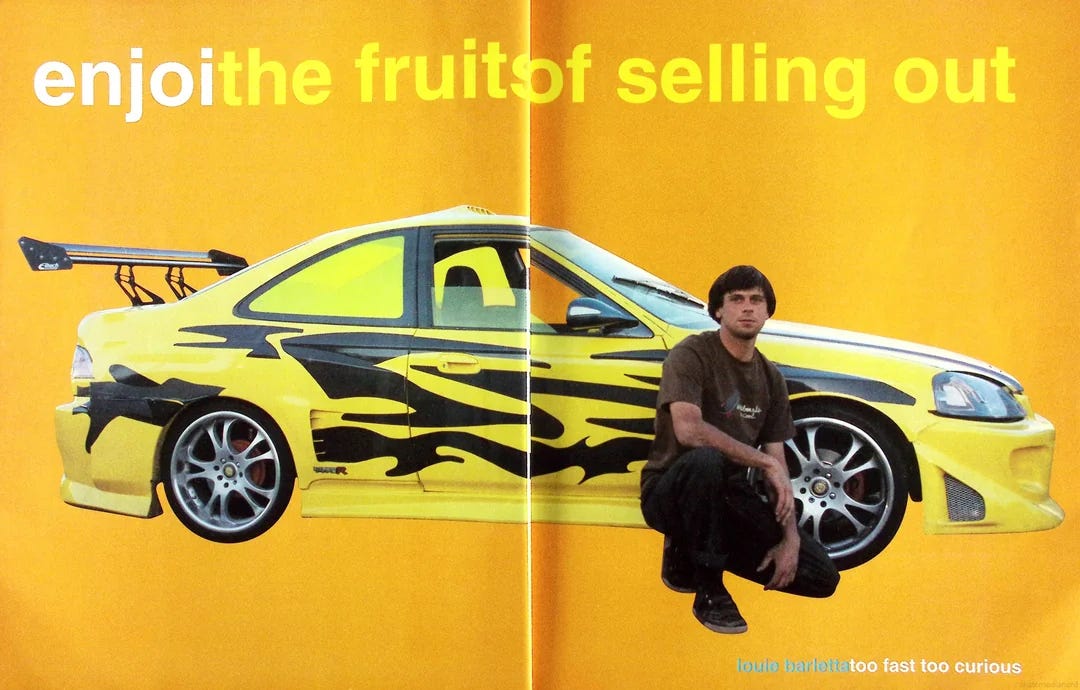
Three years later, on Valentine’s Day 2026, Barletta posted four words that he said took three years to write: we got enjoi back. The recovery took patience, leverage, and a deliberate choice not to speak too negatively in public while negotiations were still live. He didn’t want to destroy the thing he was trying to save. That shows something important about how you protect a brand that actually means something. You don’t blow it up on the way out. You keep the door open.
The Lakai story is messier, and still unfolding. Founded in 1999 by pro skaters Mike Carroll and Rick Howard, Lakai built a reputation as one of the most respected core skate shoe companies in the business. In October 2024, the brand was acquired by Inversal, a turnaround operation that, for context, also owns a weighted blanket company, a supplements brand, and a women’s underwear brand. Carroll and Howard were let go after reportedly refusing to make cuts to the skate team.
The new CEO, Marc Roca, then did something that at least showed some self-awareness: he approached Luis Mora about coming aboard. Mora is a skateboarder, filmmaker, and founder of Erased Project and Aura Skateboards, someone I've watched grow on YouTube for close to a decade, with over 1.5 million subscribers built on actually skating and documenting the culture honestly. He declined the job offer and counter-proposed ownership instead. His reasoning was simple: skaters support skater-owned brands. Roca agreed, and Mora became part-owner, taking over marketing and team direction. In three months under his watch, the brand stabilized, signed Thrasher’s 2025 Skater of the Year, Chris Joslin, and started moving again.
Side note, seeing Joslin celebrate with his kids after finally landing his tre flip at El Toro still gets me emotional.
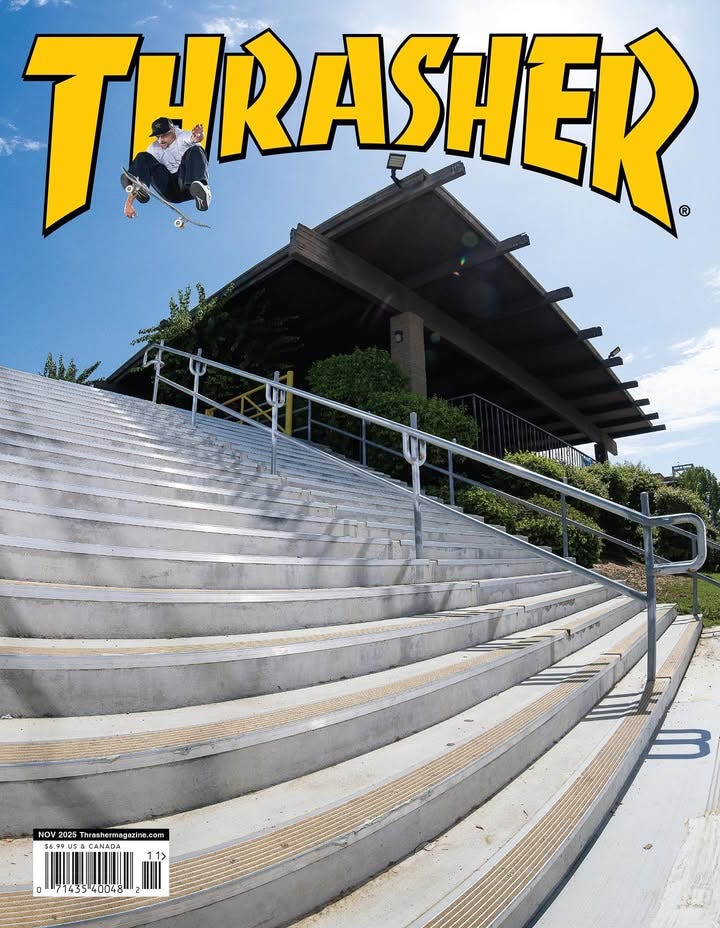
Now reports indicate Roca is facing financial difficulties and Mora is pushing for full control. The story isn’t finished. But in a category where the ending is usually the same, a brand slowly drained until there’s nothing left to sell, the fact that a skateboarder is fighting for the keys is worth paying attention to. The direction of travel matters even when the destination isn’t settled yet.
And it isn't just enjoi and Lakai. Think Skateboards co-founder Greg Carroll, Mike Carroll's older brother, has been publicly pushing to revive Think after it changed hands through a divorce settlement years ago. Same pattern, different chapter.
Skate shoes aren’t a footnote in sneaker history. They’re where a lot of it started. If nothing else, a parallel universe to learn from.
